Talcum powder
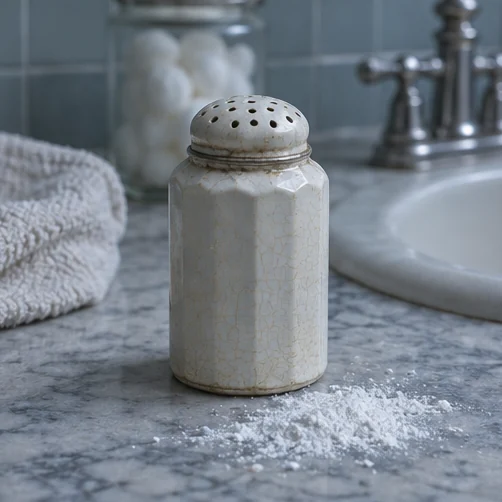
Researchers have observed higher ovarian cancer rates among women who reported using body powder in the genital area. If you used talcum powder and later received an ovarian cancer diagnosis, an intake coordinator can help you find a lawyer to review your history.
Talcum powder and ovarian cancer
The International Agency for Research on Cancer, the World Health Organization’s cancer agency, classifies talc as probably carcinogenic to humans. Its review found an association between reported genital-area body powder use and ovarian cancer. IARC described the human evidence as limited because reporting differences and possible asbestos contamination could also help explain the findings. Read IARC’s explanation of the evidence.
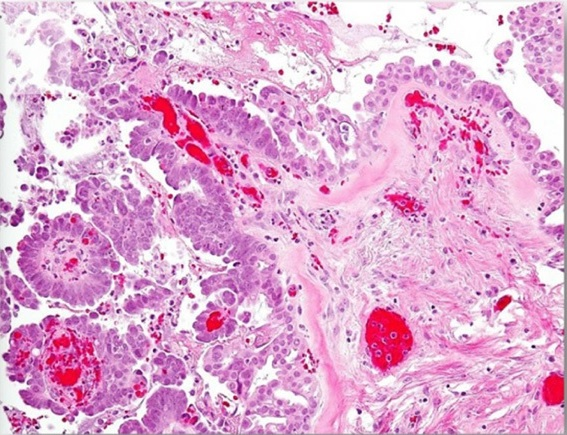
Micrograph by Lauren Patterson Cobb, Stephanie Gaillard, Yihong Wang, Ie-Ming Shih and Angeles Alvarez Secord (2015), figure 3 detail, converted to WebP. Original image · CC BY 4.0

What a lawyer may ask you
Which products did you use? How often and during which years? What type of cancer does your pathology report identify, and when was it diagnosed? If you no longer have the bottle, write down what you remember about its label, the store and the years you bought it.
Records to gather
- Product name, container photographs and approximate purchase years
- When and where you used the powder
- Diagnosis, pathology reports and treatment dates
A question for your attorney
What would help identify the formulation I used and evaluate a possible connection?
Further reading
FDA guide to talcRelated guides
Asbestos & mesothelioma · Tobacco-related illness · Lead poisoning